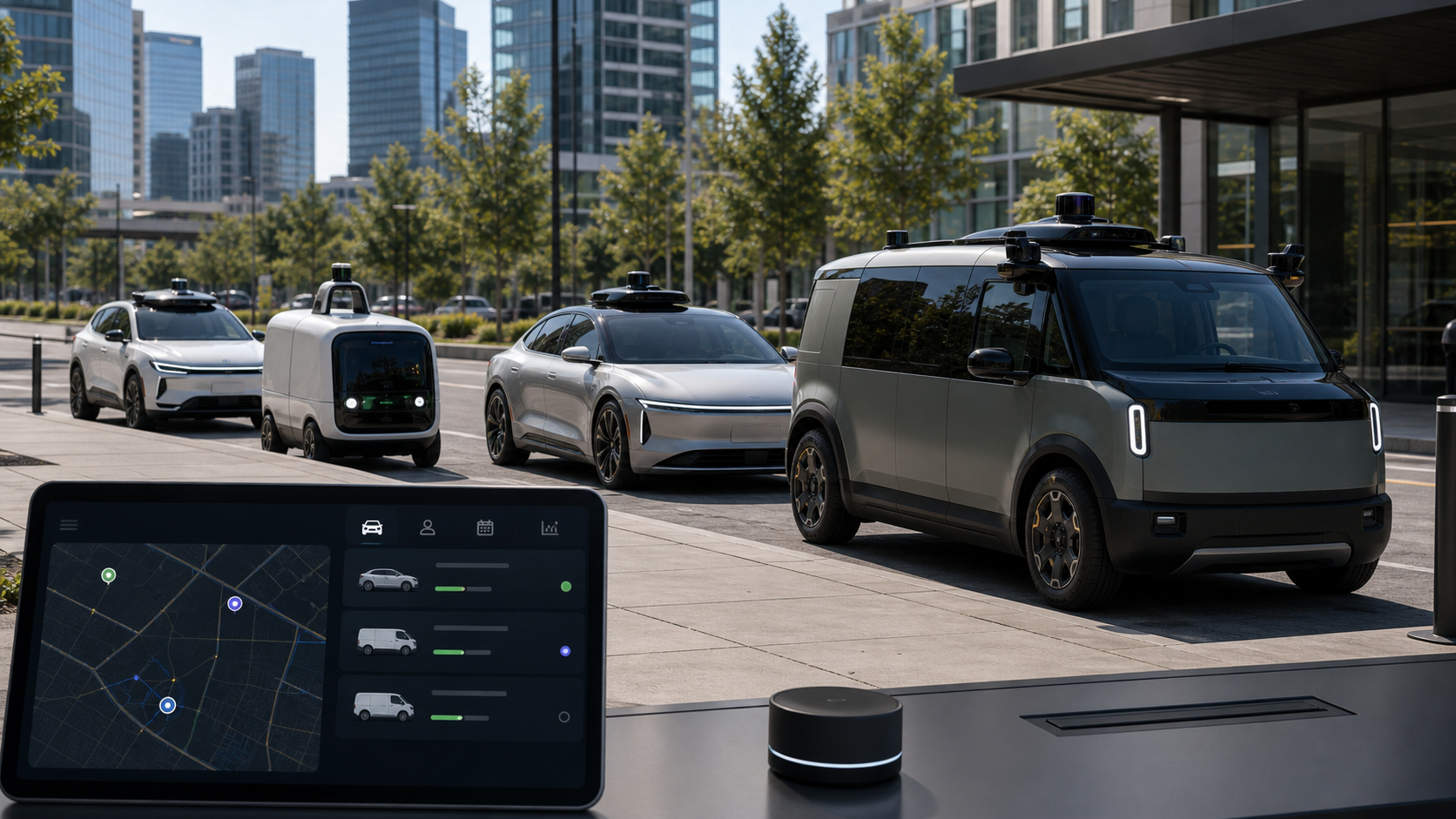
Uber's robotaxi strategy is becoming less dependent on a single partner. Electrek reports that Uber is investing more than $10 billion into autonomous-vehicle alternatives involving companies such as Rivian, Lucid, and Nuro.
The company still works with Waymo in select markets, so this is not a clean break from existing robotaxi partners. It is better read as Uber trying to keep multiple paths open as autonomous fleets move from pilots toward commercial services.
What Uber appears to be chasing
Ride-hailing companies have a different vehicle problem than private owners. They need vehicles that can run high-utilization service, cleanly integrate with dispatch systems, support charging or refueling logistics, and operate within local regulatory limits.
That is why names such as Rivian, Lucid, and Nuro matter in this context. Each points to a different possible fleet shape: passenger vehicles, premium electric platforms, delivery-focused autonomy, or purpose-built services that may never be sold like normal retail cars.
Why shoppers should not overread it
This is not a reason to change a personal EV purchase today. A vehicle or platform that makes sense for Uber may not be sold to households, and even if it is, fleet durability and rider comfort are different from private-owner needs.
Robotaxi economics also remain unproven at broad scale. Safety performance, cleaning, maintenance, charging, insurance, remote assistance, local rules, and customer trust all have to work before the business case becomes durable.
What it could influence
If robotaxi fleets scale, they could affect EV production priorities, charging-hub investment, battery utilization, and urban vehicle design. High-mileage fleets may prefer different interiors, charging strategies, and service schedules than retail buyers.
That could create demand for EV platforms designed around fleet uptime rather than showroom features. It could also push more investment into centralized charging depots and high-use urban charging sites.
What to watch next
The practical signals are service launches, regulator approvals, vehicle orders, charging-hub construction, and public safety data. Pressuring a partner or announcing investment is not the same as operating a reliable robotaxi network.
For consumers, the story matters most if these fleets show up in cities as a real transportation option. Until then, it is an industry-positioning story with possible long-term effects on EV platforms and infrastructure.