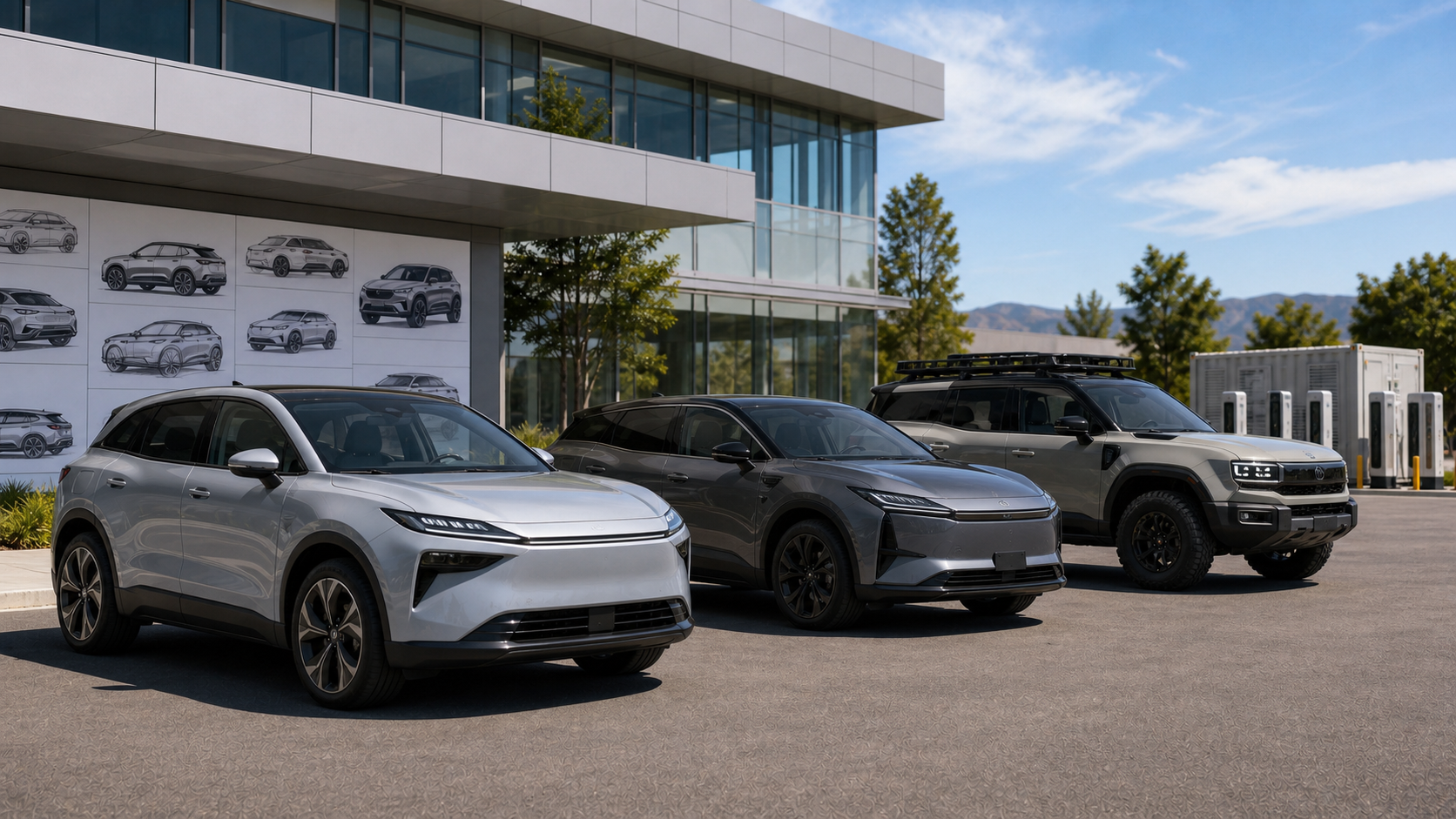
Toyota's EV strategy has often looked cautious, but the company is still adding electric models. Charged EVs reports that Toyota has four new EVs in the works while some automakers slow or rethink parts of their EV plans.
Toyota's own announcement for the bZ Woodland confirms one piece of that expanding battery-electric lineup. For shoppers, the question is not whether Toyota is finally talking about EVs; it is whether the products arrive with competitive specs and prices.
What is changing
The reported pipeline suggests Toyota is continuing to build out its battery-electric lineup rather than pausing the category. That is notable because industry EV planning has become more uneven as automakers respond to pricing pressure, incentives, infrastructure, and demand shifts.
Toyota has a large base of hybrid loyalists. Many of those shoppers may be ready to consider a battery-electric model if it feels practical, dependable, and supported by the dealer network they already know.
Why shoppers should stay practical
Brand trust alone will not close the EV gap if competing models offer better charging, stronger incentives, or more attractive lease terms. Toyota's next EVs need to be judged like any other EV: range, charge time, price, cargo space, software, warranty, and availability.
The bZ Woodland announcement gives Toyota a more rugged EV angle, but a broader lineup still has to cover mainstream buyer needs. That includes affordable trims, useful charging performance, and clear ownership support.
The hybrid context
Toyota's hybrid strength gives it a different transition path than brands that went all-in on battery EVs early. Some shoppers may move from Toyota hybrids to Toyota EVs if the new vehicles preserve familiar strengths such as reliability, efficiency, and practical ownership costs.
At the same time, hybrid success can raise expectations. A Toyota EV that feels less competitive than a Toyota hybrid may struggle to convince loyal buyers to switch.
What to watch next
The next Toyota EVs should be judged when final U.S. specs are available. Until then, this is a sign that Toyota's electric lineup is expanding, not proof that each model will be the right buy.
Shoppers should wait for EPA range, charging speed, pricing, incentives, trim content, lease programs, dealer allocation, and test-drive availability before making a decision.