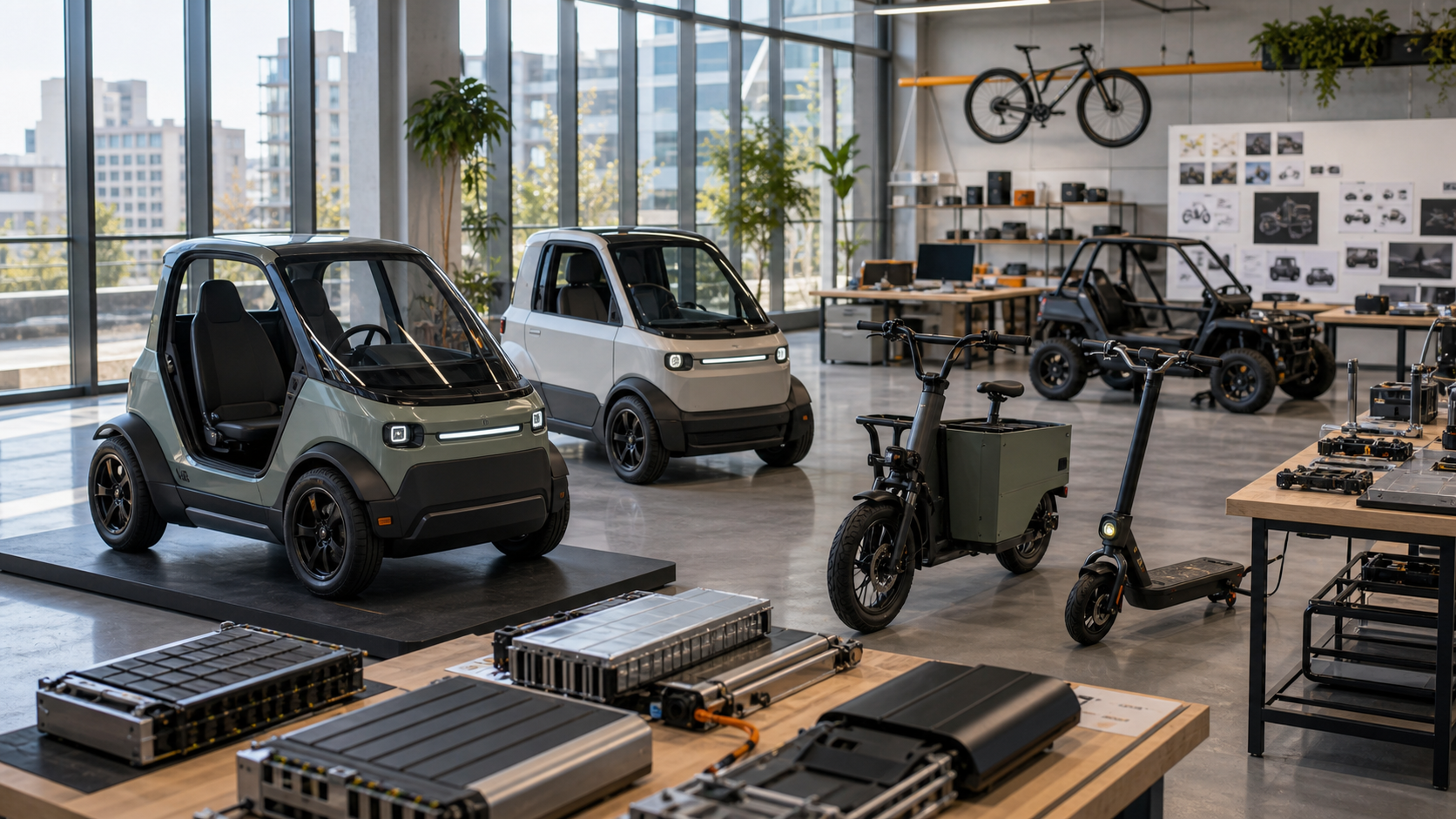
A Rivian-linked spinoff is aiming at a part of the EV market that still feels underdeveloped in the U.S.: smaller, more efficient electric mobility. Green Car Reports says Also is focused on small EVs and ways to move beyond conventional cars.
Axios separately reported that the company raised $105 million, with Rivian retaining a substantial minority stake. For shoppers, the story is interesting because many U.S. EV choices remain trucks, SUVs, or premium vehicles.
What Also is trying to do
The company's reported focus is not another full-size crossover. The idea is to build smaller electric products that can be more efficient than today's typical car or SUV, potentially serving urban trips, campuses, short deliveries, and households that do not need a large vehicle for every errand.
That matters because the space between e-bikes and full-size cars is still thin in the U.S. market. Smaller electric mobility could give drivers and cities more options for short trips where a large vehicle is expensive, heavy, and inefficient.
Why Rivian's connection matters
Rivian's involvement gives the project more credibility than a typical early startup story. The company has experience with EV hardware, software, charging expectations, service challenges, and manufacturing complexity.
Still, a substantial minority stake is not the same as a Rivian-branded production vehicle. Shoppers should treat Also as a separate effort until the company confirms product details, sales plans, support, and legal use cases.
The buyer impact is still future tense
Funding and a product vision do not guarantee affordability, production scale, service coverage, or regulatory approval. A small electric vehicle can be clever on paper but still struggle if it is too expensive, too limited, or hard to insure and maintain.
The first product will need to answer practical questions: where can it be driven, how fast does it go, what does it cost, how is it charged, who services it, and whether it can replace meaningful car trips rather than act as a novelty.
What shoppers should watch
For now, Also is not a reason to delay a mainstream EV purchase. It is a signal that some companies see opportunity below the size and cost of today's dominant EV categories.
Shoppers frustrated by large EVs should watch the company's first product, price, range or operating time, safety equipment, road legality, cargo capacity, financing, and service model. If smaller electric platforms become practical, they could make EV ownership feel more accessible for some urban and short-trip users.